How to Plan an FF&E Schedule for Large Interior Design Projects
For interior design studios working on large-scale projects, the FF&E schedule is where good design intent meets operational reality.
Get it right and everything flows seamlessly. Procurement aligns with the programme, deliveries arrive when the site is ready, and the installation phase runs without any obstacles or the fire-fighting that can derail even the most carefully designed scheme. Get it wrong, and you’re chasing suppliers, managing storage crises, and watching your programme slip week by week.
Without early, disciplined FF&E planning, even the most architecturally ambitious project can fall short in execution.
Here’s how to build a schedule that actually holds together.
Start with the installation date and work backwards
The most common scheduling mistake is building the FF&E programme forwards from procurement. Start instead with the confirmed handover date and work backwards, asking the following questions:
- What does the installation sequence look like?
- How many weeks does installation require?
- When does each item need to arrive at the warehouse to allow for condition reporting and consolidation?
That timeline then drives your order placement deadlines.
For bespoke or overseas-sourced items, planning ahead and monitoring the supply chain closely helps avoid disruptions caused by delays and is far preferable to expediting freight at the end of a project when costs are highest and options are fewest.
Map lead times by category, not by supplier
Different FF&E categories carry very different lead times, and treating them uniformly is a scheduling risk.
As a general guide, expect longer lead times for custom and bespoke items, as well as imported casegoods from European or Far East manufacturers. Also, bear in mind some fine art pieces may need weeks or even months to transport and install if commissioned.
Supply chain disruptions, geopolitical tensions, and volatile raw material costs continue to impact availability and shipping schedules, so build contingency into each category rather than applying a blanket buffer across the whole schedule.
Identify dependencies early
An FF&E schedule isn’t a flat list of items and dates. It’s a dependency map. Some examples of dependencies that regularly cause programme slippage if left unmanaged:
- Fabric sign-off must precede upholstery production by the maker’s confirmed cut-off date
- Artwork commissions often depend on site measurements that aren’t available until construction reaches a certain stage
- Lighting specifications sometimes depend on electrical rough-in positions being finalised
- Custom casegoods may require prototype approval before production commences
Map these dependencies explicitly in your schedule and assign an owner to each critical path item. If you’re working with an FF&E specialist for planning support, share the dependency map with them early so logistics can be structured around it.
Plan your warehousing and consolidation strategy
On large projects, it’s rare that everything arrives at the site on the same day. Items come from multiple suppliers across various countries on different timelines. Managing that into a coherent installation programme requires an off-site warehouse capable of receiving, inspecting, and holding stock in advance of the installation phase.
Many project teams turn to specialised FF&E logistics partners who combine supply chain visibility and construction experience. A good partner will receive items as they arrive from suppliers, prepare condition reports, and consolidate multi-supplier deliveries so your installation crew receives everything they need for each zone together, rather than managing a series of partial deliveries on site.
This is particularly valuable for large projects where site storage is limited and protecting uninstalled FF&E from damage in a live construction environment is genuinely difficult.
Coordinate the FF&E installation programme with the main contractor
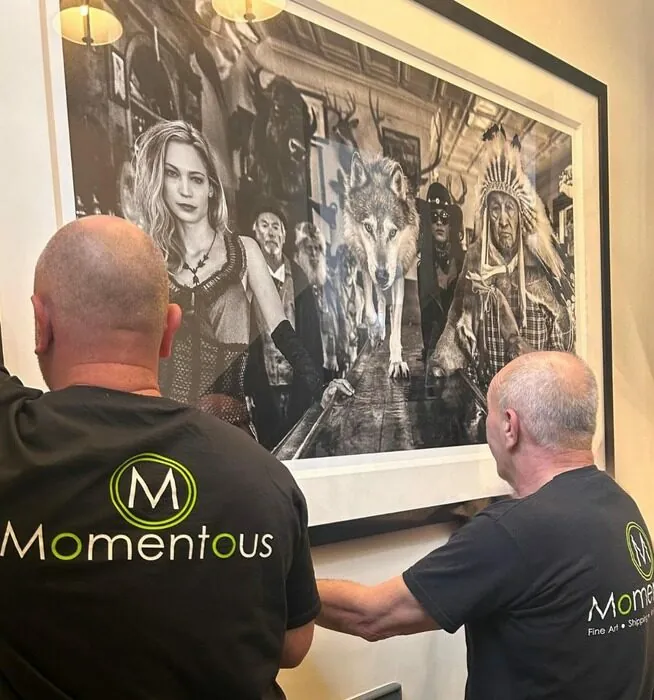
The installation phase has its own internal sequence. Working with Momentous’s specialist installation team means having experienced hands-on crews supported by dedicated project managers, operating in coordination with the main contractor’s programme.
The basics to confirm before installation begins:
- Zone-by-zone access confirmed in writing
- Floor and wall protection in place
- Base build and decoration complete in each zone before FF&E enters
- Agreed escalation process for defects or access delays
Keep the FF&E schedule live throughout the project
An FF&E schedule that’s written once and filed away isn’t a project management tool. It needs to be updated as orders are placed, samples approved, and lead times revised. A single shared, version-controlled document that your logistics partner, procurement team, and design studio can all access in real time dramatically reduces the risk of surprises. Using software to manage project data efficiently allows teams to access and customise information seamlessly, reducing errors and enhancing communication.
For interior design studios managing complex FF&E programmes, working with a logistics partner who understands the specific demands of interior design projects makes an enormous difference. The Momentous team works alongside studios from early planning through to final installation, acting as a single point of contact across warehousing, freight, and on-site execution. Get in touch to discuss how we can support your next project.